Helping people understand, protect, and pass on their digital assets.
People think about ownership. Wallets think about blockchain.
This project explores what happens when a wallet is designed around people instead.
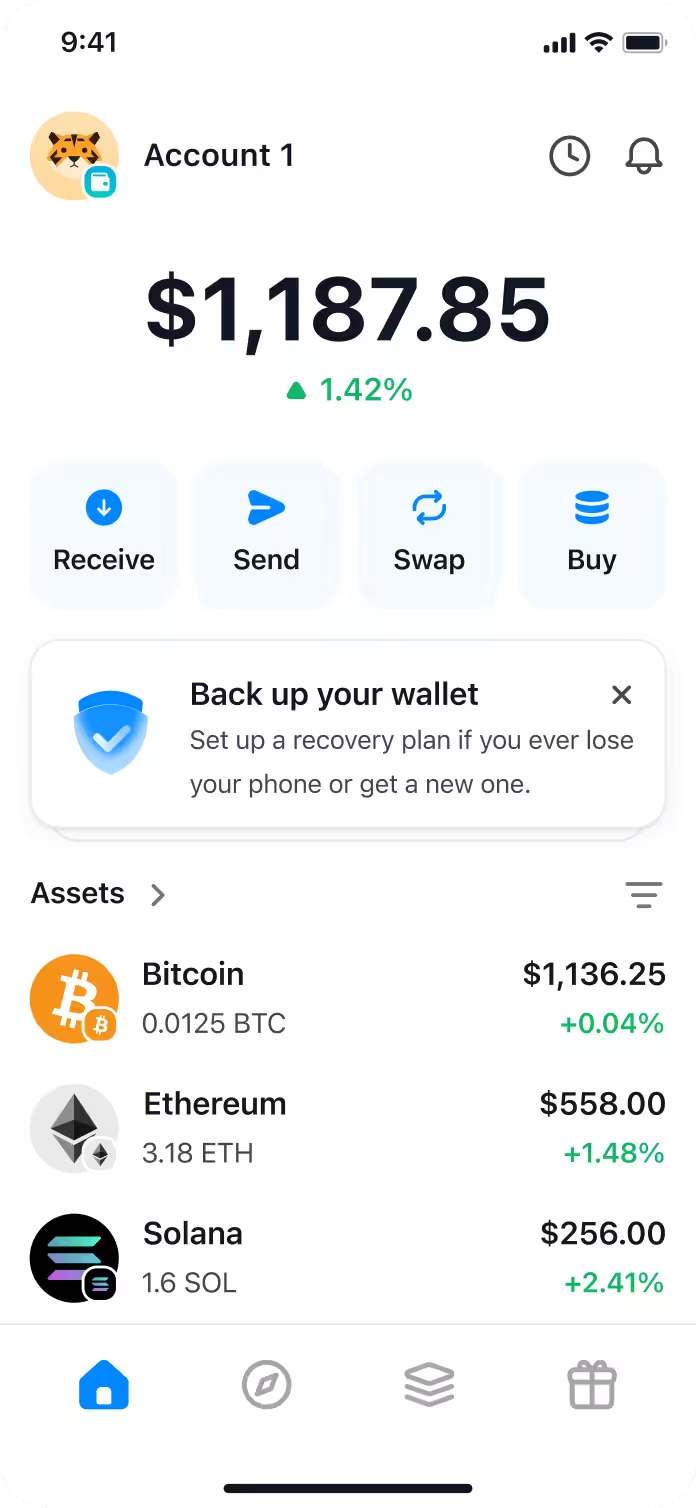
TrustCore is a self-custody wallet designed to make digital ownership easier to understand.
Rather than simplifying blockchain, the project rethinks how people are introduced to it.
I led the product design from research through high-fidelity design, including product strategy, information architecture, interaction design, prototyping, and design system implementation.
Self-custody gives people complete control over their assets. Most wallets expose complexity before users understand why any of it matters.
I wanted to question that approach.
What if a wallet was designed around how people naturally think about ownership instead?
One insight changed the project.
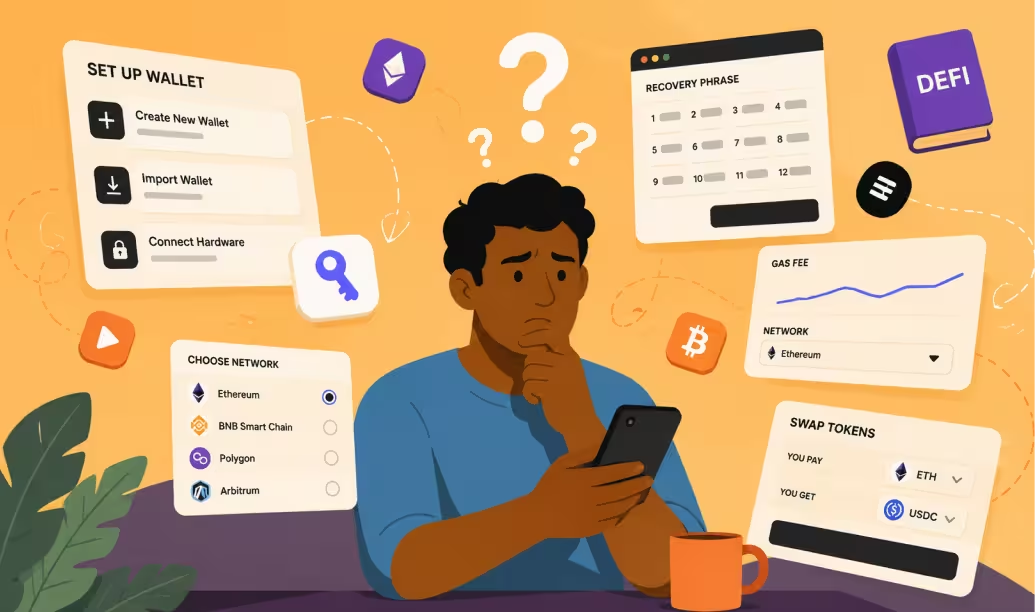
I expected blockchain to be the biggest obstacle. Research suggested otherwise. The real problem wasn't technical complexity. It was a mismatch between how users think and how wallets are designed.
Direct user quote from the study:
"This app has deleted all my funds and account. DO NOT DOWNLOAD THIS!!!"
App store reviewer who misunderstood that the wallet app is just an interface, not the location of their funds
"I generate my private key and send it to the cloud. Then I get back [from the cloud] a public key."
Study participant 5[X], demonstrating a fundamental misunderstanding of public/private key cryptography
The interface wasn't introducing complexity. It was introducing the wrong concepts at the wrong time.
PEOPLE NATURALLY THINK ABOUT
WALLETS INTRODUCE
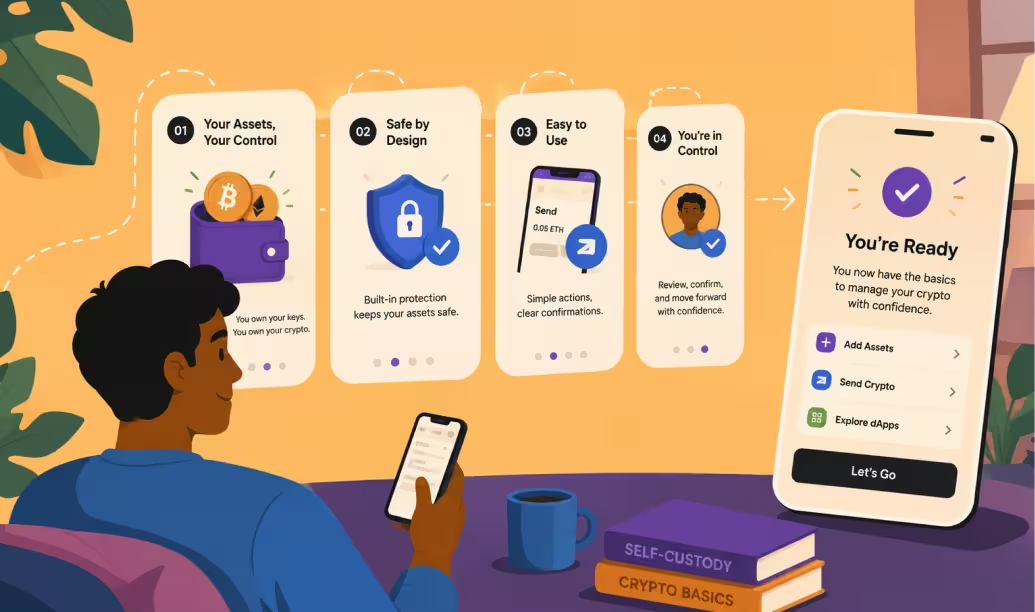
Instead of organising the experience around blockchain architecture, TrustCore is organised around ownership. The progression mirrors how people naturally build trust: understand first, then protect, then take control.

Account Home
Start with what users care about most: their assets.
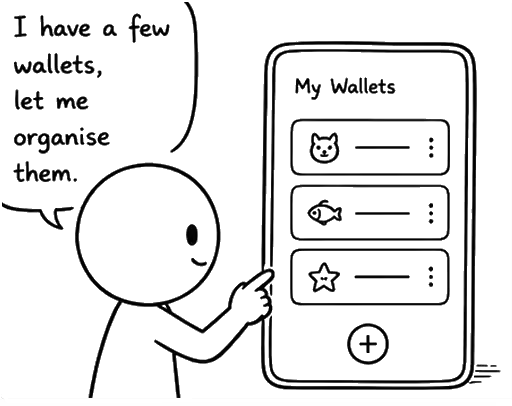
Manage Wallet
Organise wallets before configuring them.
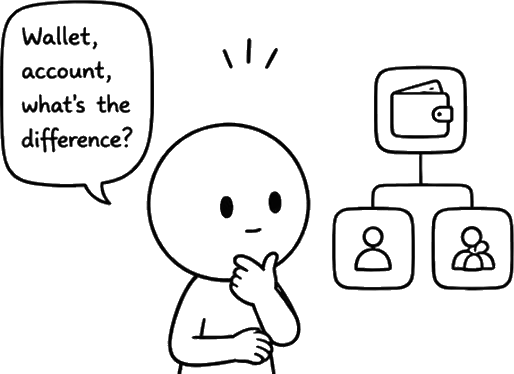
Wallet & Account
Build understanding before making decisions.
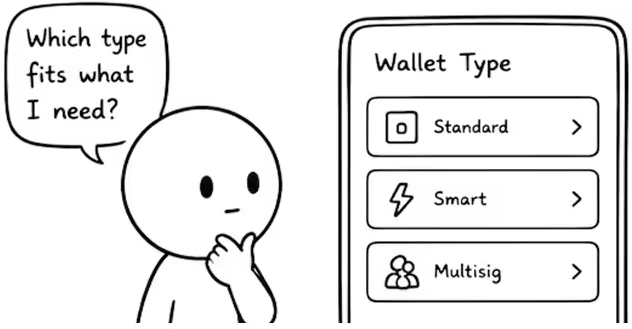
Wallet Type
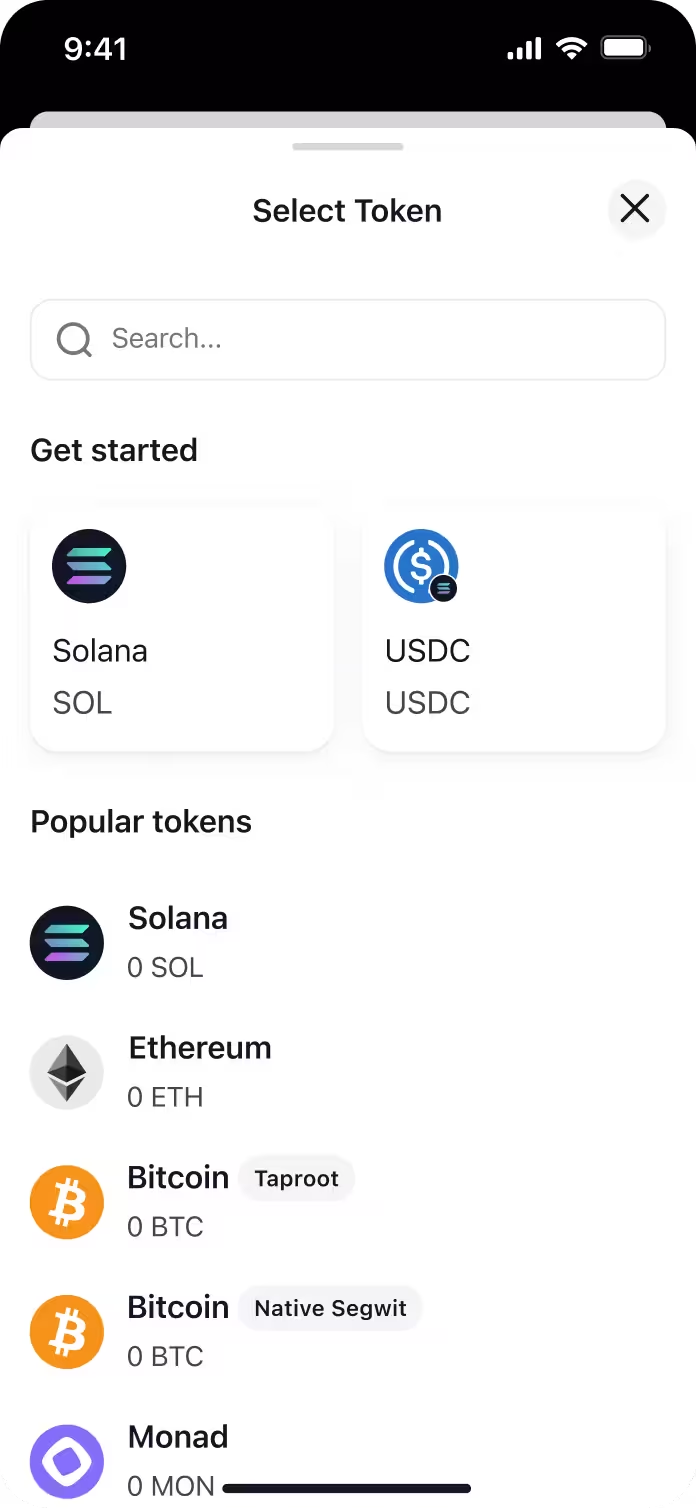
Choose the right level of control.
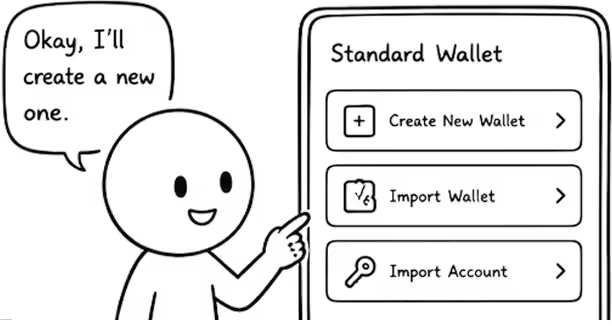
Create or Import
Only show what's needed next.
Start with what's familiar.
Introduce blockchain concepts only after users understand ownership.
Explain before asking.
Every important decision begins with context.
Reveal complexity gradually.
Advanced features stay available without becoming the default experience.
Ownership comes first.
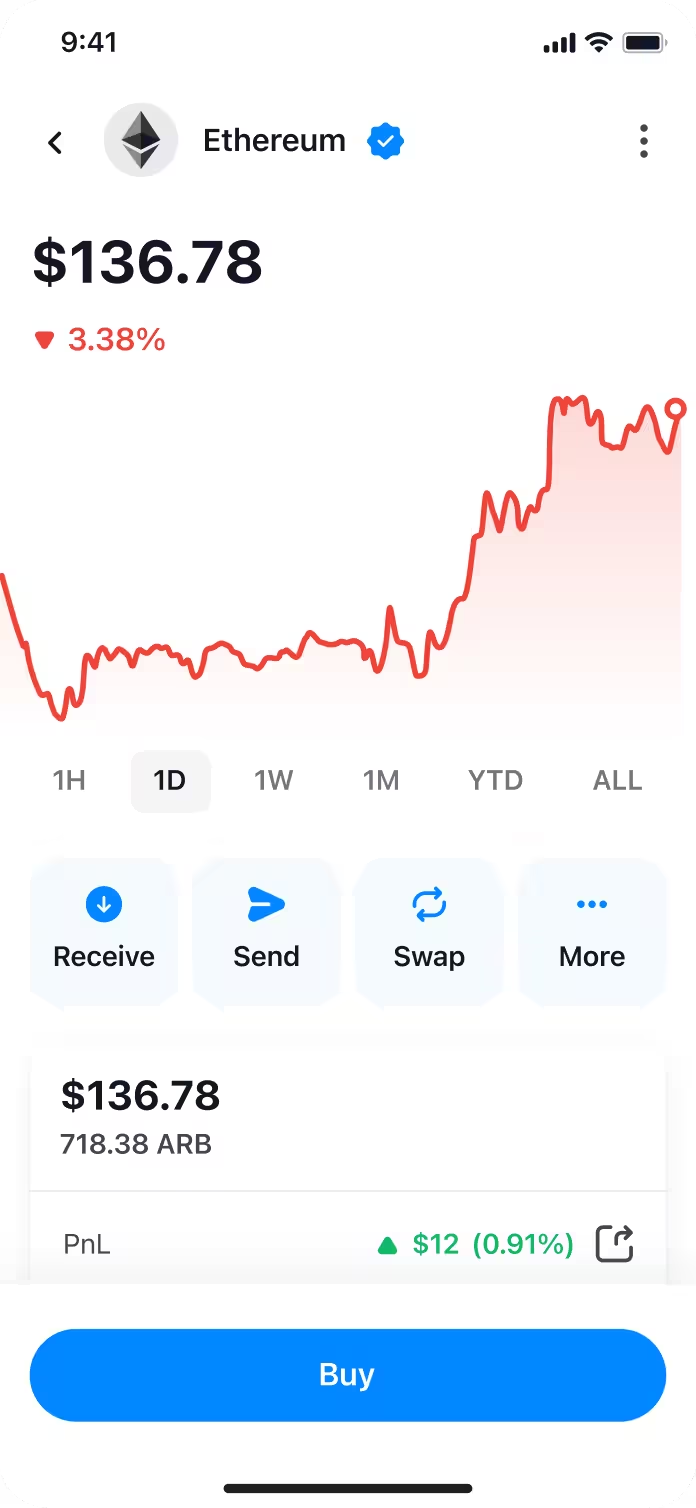
Assets become the primary entry point instead of accounts. Rather than exposing technical structure immediately, the product helps users understand what they own before introducing how those assets are managed. This reduces early drop-off caused by unfamiliar terminology.
Security should be learned, not configured.
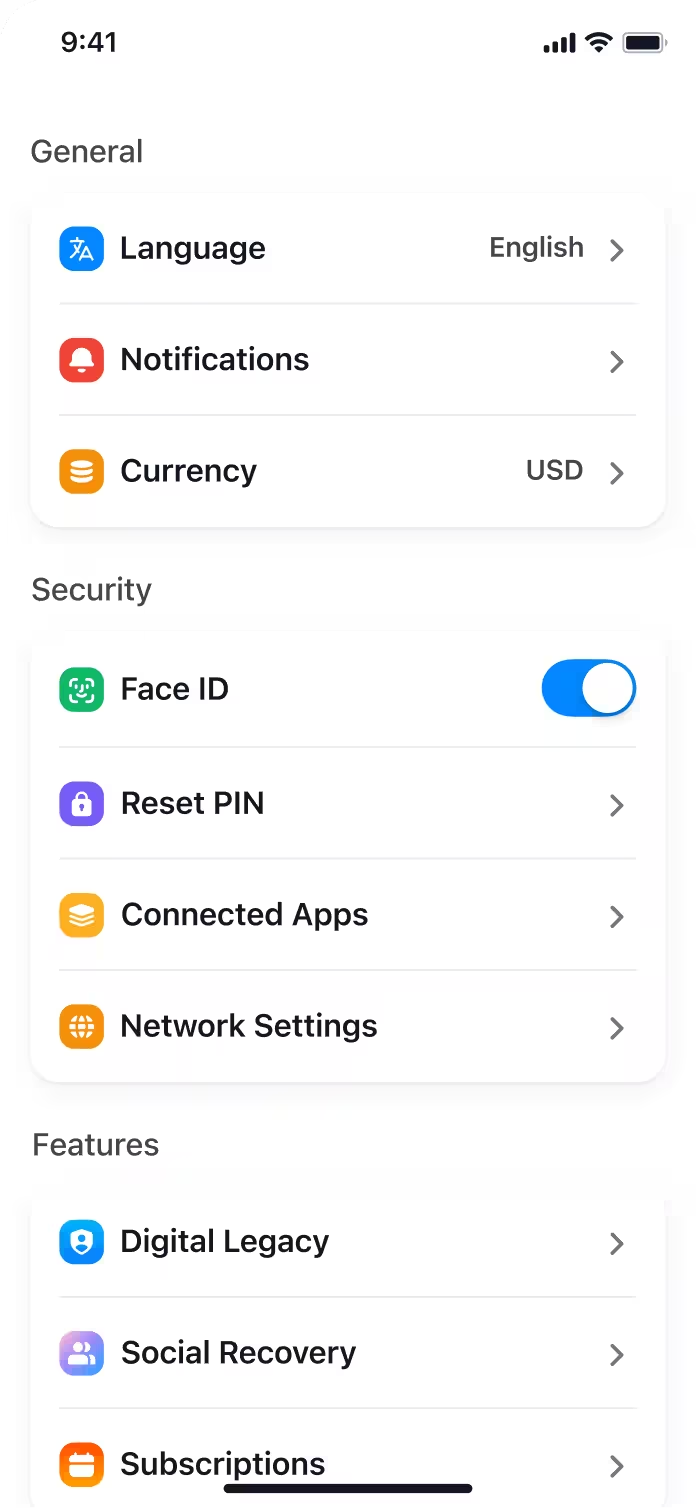
Protection is introduced progressively instead of all at once. Each recommendation includes clear context so users understand its purpose before making a decision - shifting security from a setup task to a growing sense of confidence.
Advanced doesn't mean complicated.
Powerful features like multisig remain accessible without overwhelming new users. Users first learn why additional security might be valuable before configuring advanced settings - preserving flexibility without front-loading complexity.
Confidence before complexity.
Rather than asking users to learn blockchain before using a wallet, TrustCore introduces blockchain concepts only when they become meaningful. The experience shifts from technology-first to ownership-first, helping users build confidence before complexity.
This project changed how I think about product design.
Cognitive effort is.
Users struggle when they have to build a new mental model before they can act.

Technology isn't what overwhelms users.
It's rarely the complexity of the product itself.
Good UX teaches before it asks.
Designing the right mental model creates confidence, not just a cleaner interface.
There's so much more behind the scene!